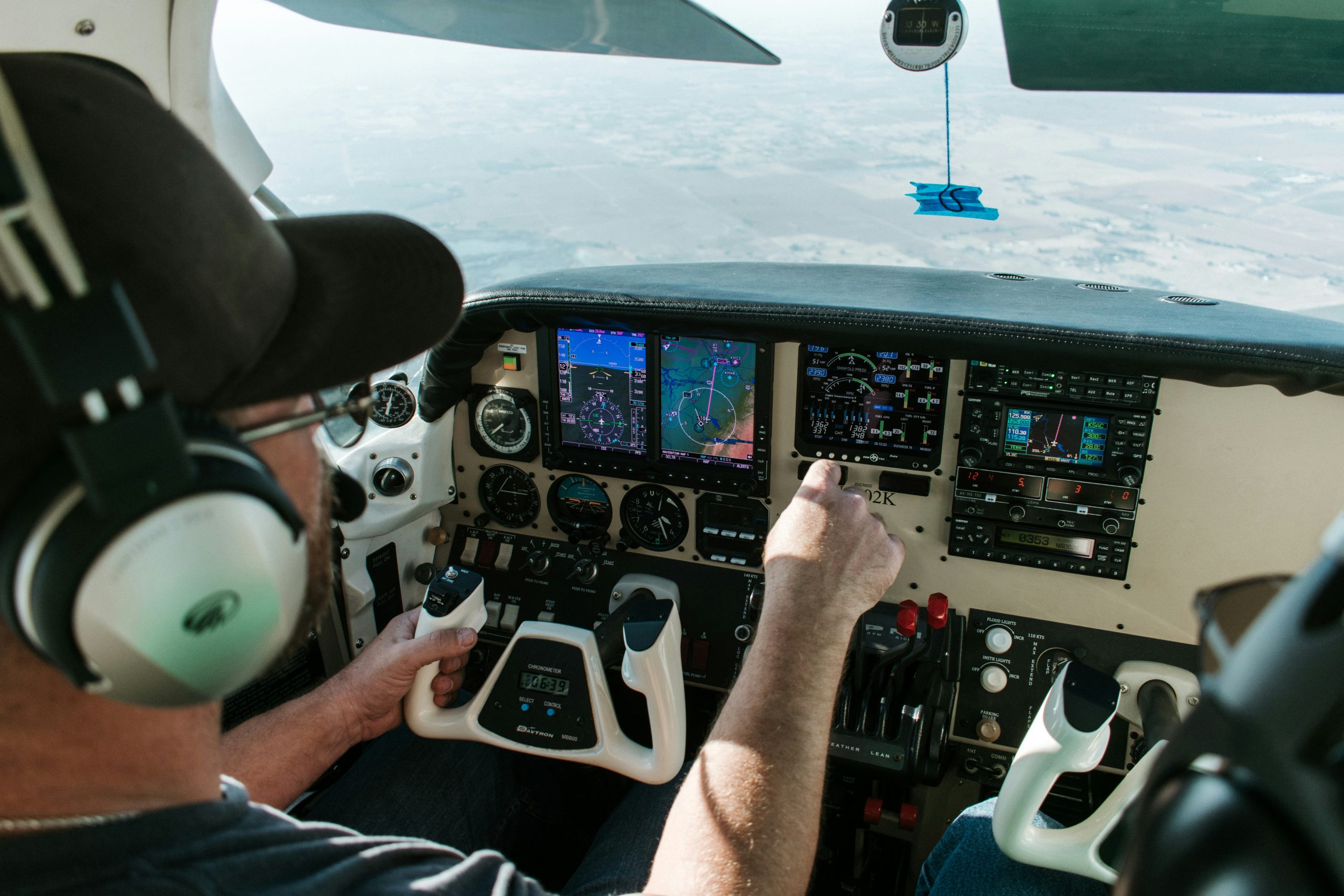
Flight training is an exciting and rewarding journey, but it is also filled with challenges. Mistakes are a natural part of learning, but understanding common pitfalls ahead of time can help you progress more efficiently, build confidence, and become a safer pilot.
In this comprehensive guide, we’ll take a deep dive into the top 10 mistakes student pilots make, why they happen, and actionable strategies to avoid them.
1. Not Studying Enough Outside of Flight Lessons
The Mistake:
Many student pilots believe that learning to fly is all about time in the cockpit, neglecting the equally important ground school and self-study. This often results in struggles with aviation concepts, slow progress, and difficulty passing the FAA Knowledge Test.
Why It Happens:
- The excitement of flying overshadows the need for book learning.
- Some students assume they will learn everything in the aircraft.
- Ground school can seem overwhelming or tedious.
How to Avoid It:
- Dedicate at least a few hours per week to studying airspace, weather, and flight regulations.
- Break up ground school into smaller chunks—short daily study sessions are more effective than cramming.
- Use interactive tools like flight simulators and online quizzes to reinforce concepts.
- Treat every flight lesson as a test—review what you did well and what needs improvement.
- Take an online or in-person ground school course before or alongside flight training to develop a strong knowledge base.
Recommended Resource: Pilot’s Handbook of Aeronautical Knowledge (PHAK)
2. Not Maintaining a Consistent Training Schedule
The Mistake:
Flight training requires regular repetition to build muscle memory and skills. Taking long breaks between lessons can cause a decline in proficiency, leading to the need for additional remedial training.
Why It Happens:
- Work, school, or family obligations interfere with scheduling.
- Flight schools have limited instructor or aircraft availability.
- Weather delays disrupt planned lessons.
How to Avoid It:
- Aim to fly at least two to three times per week if possible.
- Schedule lessons in advance to maintain consistency.
- If weather delays flights, use a simulator or review ground materials to stay sharp.
- If you know you will be away from training for an extended period, coordinate a refresher flight with your instructor before resuming regular lessons.
3. Rushing or Skipping the Pre-Flight Checklist
The Mistake:
Some student pilots rush through or skip steps in the pre-flight checklist, assuming the aircraft is ready to go. This can lead to missing critical safety issues such as mechanical failures, incorrect fuel levels, or flight control malfunctions.
Why It Happens:
- Overconfidence in the aircraft’s condition.
- Feeling pressure to take off quickly.
- Assuming that because an instructor or previous pilot flew the plane earlier, everything is fine.
How to Avoid It:
- Never rush through pre-flight inspections. Follow the checklist methodically.
- Conduct a thorough walk-around and visually confirm fuel and oil levels.
- Pay attention to tire condition, control surface movement, and potential obstructions.
- If anything seems questionable, consult an instructor or mechanic before starting the engine.
4. Poor Radio Communication Skills
The Mistake:
Many student pilots struggle with radio communication, which can lead to misunderstandings with air traffic control (ATC) and other pilots. Hesitation, unclear wording, or forgetting what to say can cause unnecessary delays or confusion.
Why It Happens:
- Lack of exposure to proper radio phraseology.
- Anxiety or intimidation when speaking to ATC.
- Trying to sound “perfect” instead of focusing on clear communication.
How to Avoid It:
- Listen to LiveATC.net to familiarize yourself with standard phraseology.
- Practice making radio calls out loud at home or in a flight simulator.
- Keep transmissions clear and concise—avoid unnecessary words.
- When unsure, ask ATC to repeat or clarify instructions instead of guessing.
Example of a Proper Radio Call:
“Minneapolis Ground, Cessna 172, N12345 at Inflight Aviation, ready to taxi to Runway 12 for departure.”
5. Overcontrolling the Aircraft
The Mistake:
New pilots often overcorrect control inputs, especially during takeoffs, landings, and slow flight. This leads to unstable approaches, excessive pitch changes, and increased workload in the cockpit.
Why It Happens:
- Nervousness and lack of trust in the aircraft’s stability.
- Overreacting to small deviations in altitude or heading.
- Holding the yoke too tightly, causing unnecessary inputs.
How to Avoid It:
- Use smooth, small control inputs rather than making abrupt changes.
- Trust the aircraft’s stability—allow it to settle before making additional corrections.
- Relax your grip on the yoke to maintain better control.
- Practice slow flight and coordinated turns with your instructor to develop a feel for proper control pressures.
6. Focusing Too Much on Instruments and Not Looking Outside
The Mistake:
Student pilots often spend too much time looking at instruments instead of scanning outside the cockpit for traffic, landmarks, and weather conditions.
Why It Happens:
- A tendency to rely on numbers rather than outside references.
- Lack of confidence in estimating altitude and heading visually.
- Training in high-traffic areas where ATC provides most situational awareness.
How to Avoid It:
- Follow the “80/20 rule”—spend 80 percent of your time looking outside and 20 percent scanning instruments.
- Develop a structured traffic scan: look left to right, near to far.
- Practice flying with minimal instrument reference to improve visual flying skills.
7. Struggling with Crosswind Landings
The Mistake:
Many student pilots struggle with crosswind landings due to incorrect rudder use or improper control inputs.
Why It Happens:
- Lack of experience handling different wind conditions.
- Forgetting to apply rudder and aileron corrections simultaneously.
- Feeling overwhelmed during short final and flare.
How to Avoid It:
- Practice crosswind landings regularly with your instructor in varying conditions.
- Use the correct technique: crab into the wind on approach and transition to a side-slip just before touchdown.
- Be prepared to go around if the landing becomes unstable.
Recommended Video: FAA Crosswind Landing Tutorial
8. Mismanaging Airspeed on Final Approach
The Mistake:
Some students approach the runway either too fast or too slow, leading to hard landings, excessive float, or the need for a go-around.
How to Avoid It:
- Memorize and use your aircraft’s Vref (final approach speed).
- Avoid making large pitch corrections close to the ground.
- If airspeed or alignment is incorrect, execute a go-around rather than forcing the landing.
9. Not Asking Enough Questions
The Mistake:
Some students hesitate to ask their instructor for clarification, leading to confusion and repeated mistakes.
How to Avoid It:
- Speak up if something is unclear during a lesson.
- Review flight lesson notes and write down questions for your instructor.
- Treat each debrief as an opportunity to refine your understanding.
10. Letting Nervousness Get in the Way of Learning
The Mistake:
Anxiety can negatively impact a student pilot’s ability to focus, leading to mistakes or avoidance of certain maneuvers.
How to Avoid It:
- Focus on deep breathing and staying calm in the cockpit.
- Visualize each maneuver beforehand to build confidence.
- Trust your training—your instructor will not let you do anything unsafe.
Build Your Skills, Gain Confidence, and Take Flight
Avoiding these common mistakes will help student pilots build confidence, refine their skills, and become safer, more proficient aviators. Flight training requires dedication, patience, and a commitment to continuous learning. Progress may feel slow at times, but every lesson—whether in the air or on the ground—adds to a strong foundation for future success. Staying engaged, asking questions, and consistently applying what you learn will accelerate your training and make you a more competent pilot. Whether you’re pursuing aviation as a career or simply fulfilling a lifelong dream, earning a Private Pilot License opens the door to new experiences, personal growth, and unparalleled freedom in the skies. If you’re ready to take the next step, schedule a Discovery Flight with Inflight Pilot Training today and start your journey toward becoming a pilot!